The Report Behind the Report
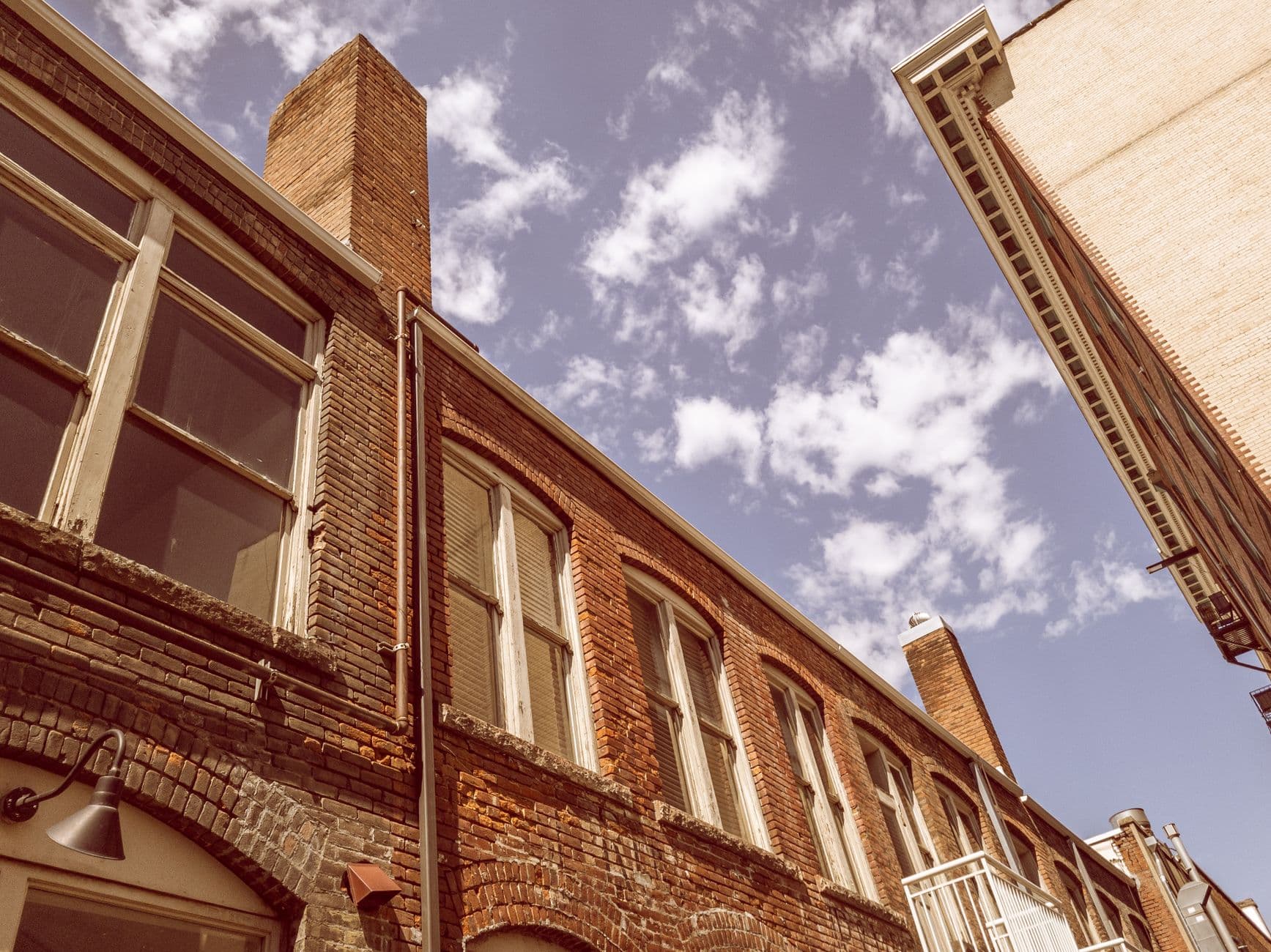
Ask most homeowners what a Level 2 chimney inspection is for, and they will say something about a lender, an escrow deadline, or making sure the flue is safe to use. All of that is true. What gets missed is that a Level 2 inspection is, at its core, a materials assessment. The camera and the technician on the roof are not only checking whether smoke can travel safely out of your house. They are reading the condition of brick, mortar, clay tile, and metal that may have been installed decades ago by a mason whose methods, and whose materials, were different from what a crew would use today.
For a home in Pasadena, Altadena, or South Pasadena built before modern chimney codes existed, that distinction matters. A crack in a flue tile is not just a fire safety item, it is evidence about how the original masonry has aged and whether prior repairs used compatible materials or simply patched over a problem with whatever was on the truck that day.
Why the Flue and the Masonry Cannot Be Judged Separately
A chimney is a single structure built from several different materials working together: fired clay or masonry units on the exterior, mortar joints holding them in place, a clay tile or metal liner running up the interior, and a poured or formed crown capping the whole assembly. When one material fails, it rarely stays isolated. Water entering through a hairline crack in the crown travels down between the liner and the surrounding brick, and it does not stop until it finds a way out, sometimes as a stain on a ceiling two floors below.
That is why a thorough Level 2 inspection covers both the interior flue and every accessible exterior surface. Judging the liner condition without looking at the masonry around it, or the reverse, misses how the two are actually interacting.

The Situations That Call for a Level 2 Look
The National Fire Protection Association's NFPA 211 standard lists specific circumstances where a Level 2 inspection is the appropriate scope rather than a basic visual check:
- - A home changing hands through a sale in Pasadena, San Marino, or elsewhere in the San Gabriel Valley, since a buyer or lender typically wants documented condition
- Any chimney fire, even one that seemed to burn itself out quickly, since heat stress can crack a liner without leaving obvious signs from the firebox
- An earthquake, storm, or other event that could have shifted flue tiles or opened new cracks in masonry that looked sound the week before
- A change in fuel type, such as converting an existing wood burning firebox to a gas appliance
- Any visible warning sign, such as staining on exterior brick, a damper that has started to corrode, or debris falling into the firebox from somewhere above
What the Camera Actually Documents Inside the Flue
Once the camera travels the length of the flue, it records conditions a flashlight from the firebox could never reveal. On older clay tile liners, the most common findings include hairline cracking from decades of heating and cooling, tile sections that have separated slightly at the joints, and mortar parging inside the smoke chamber that has begun to crumble away from the brick behind it. On systems with a metal liner installed during a prior repair, the camera can also show corrosion or pitting where condensation has collected repeatedly in the same spot.
Each of these is, in effect, a materials failure. Clay tile is a fired ceramic product, and like any ceramic, repeated thermal cycling eventually produces stress cracks. Mortar is a cementitious material that bonds well to brick but does not tolerate constant moisture exposure indefinitely. Understanding which material is failing, and why, is what separates a useful inspection report from a simple pass or fail note.
What Gets Checked on the Exterior and in Accessible Spaces
The masonry side of a Level 2 inspection is just as detailed as the camera work:
- - The crown, the poured or formed cap at the very top of the chimney, gets checked for cracking, proper slope, and adequate overhang past the flue tile. A cracked or undersized crown is one of the most common sources of water intrusion on older Pasadena chimneys.
- Flashing where the chimney meets the roofline gets checked for gaps or separation, since a failed seal here sends water into the attic space around the chase rather than the flue itself.
- Brick and mortar joints on every exposed face get examined for spalling, where the outer face of a brick has begun to flake or pop off, and for mortar that has softened, crumbled, or washed out between courses.
- Clearance to combustible framing gets measured in the attic and any other accessible space, since older construction sometimes predates current clearance standards.
Telling Original Craftsmanship Apart From Later Patchwork
One thing an experienced technician notices quickly on an older home is the difference between the original masonry work and whatever repairs happened afterward. A chimney built decades ago in Pasadena or Altadena may have been laid with a softer, more traditional mortar mix that was appropriate for the brick of that era. If a later repair used a much harder, modern mortar to patch a section of that same chimney, the mismatch itself can become a problem: the harder patch does not flex the same way as the surrounding material, and it can crack at the seam or, worse, put stress on the older brick next to it until that brick begins to spall.
This is part of why a Level 2 report on an older home should note not just where damage exists, but what appears to have caused it. A crack that traces back to mismatched repair materials calls for a different fix than a crack caused by simple age and weather exposure.
What Happens After a Finding Is Documented
Finding a defect during a Level 2 inspection on an older Pasadena chimney is common, not unusual. Clay liners put in place generations ago have almost always developed some degree of cracking by the time a family sells the home or simply reaches the point of asking questions about upkeep. What actually matters is the plan that follows the finding, not the finding itself.
Our technicians walk through each finding, explain what material is affected and how far the deterioration has progressed, and lay out a repair scope, whether that means a full liner reline, a crown rebuild using materials compatible with the existing masonry, spot repointing of deteriorated mortar joints, or a combination of the three. For a real estate transaction, we can turn a report around quickly enough to fit inside a typical contingency window.
Level 1, Level 2, and Level 3 in Plain Terms
Level 1 takes in whatever is reachable without special tools: the firebox, the flue sections visible without equipment, and the chimney exterior. It fits a routine yearly look at a system nobody has touched or altered since the previous visit.
Level 2 builds on that by running a camera the full length of the flue and walking through whatever attic, crawl space, or basement area the chimney happens to pass through. None of it calls for taking anything apart to get access.
Level 3 comes into play only when a serious concern cannot be fully evaluated without taking apart part of the structure, pulling framing, or opening masonry to reach a hidden section. Most homes go their whole service life without ever needing this level of access.
Getting Ready for the Visit
A little preparation makes the visit faster and gives the technician better access to the areas that matter most:
1. Clear the hearth and firebox area of any stored items 2. Confirm the attic hatch or crawl space access is not blocked 3. Move vehicles if roof access requires a ladder 4. Gather any past inspection or repair paperwork for comparison 5. Mention any recent events, a storm, a loud noise during a fire, new cracking you noticed on the brick
Scheduling a Level 2 Inspection in Pasadena
A home sale in San Marino, a purchase you are closing on in Pasadena, or simply wanting an honest read on how the years have treated your chimney's masonry are all good reasons to bring in a trained set of eyes. Call KR Chimney Sweep at (818) 671-0722 to schedule an inspection with our technicians.
Our service area stretches from Pasadena through Altadena, South Pasadena, San Marino, and Alhambra, up into La Canada Flintridge and Montrose, covering the wider San Gabriel Valley in between. Every report we hand back explains not just what we found, but what the material itself is telling us about the years of weather, heat, and prior repairs it has been through.
Need Professional Chimney Service?
Our technicians are ready to help with all your chimney and fireplace needs. Contact KR Chimney Sweep today for expert service throughout the San Marino and the San Gabriel Valley service area.